In the Shadow of Eiffel’s Tower
Where Ghost Buffalo Still Roam


A leap of faith, then, brought me here to the base of the Eiffel Tower—which, after all, is one giant cliché: romance, France, or travel’s shallow and seductive delusions.
Never mind. I am here looking for buffalo.
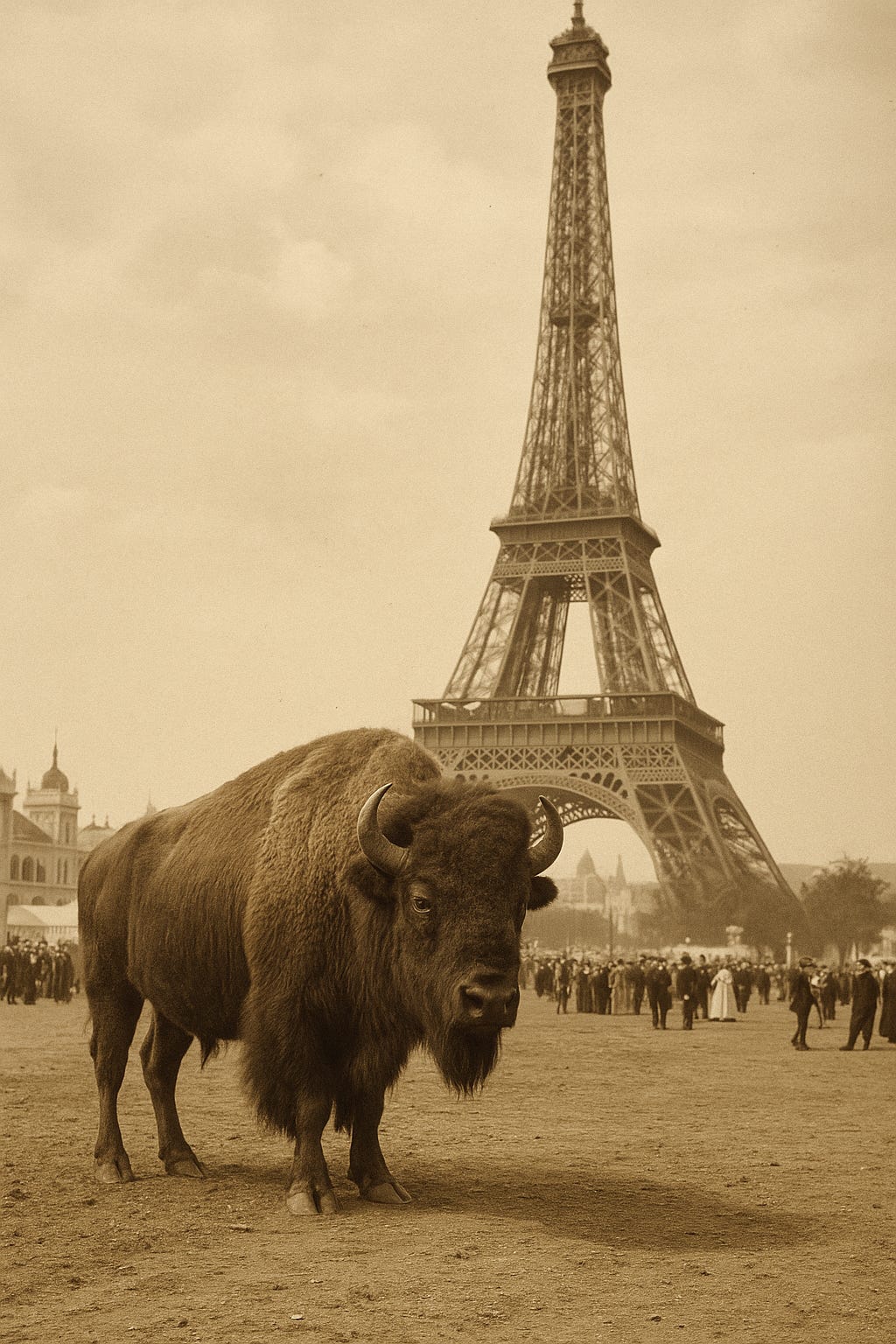
Yes, buffalo. And that is because I am also an armchair traveler. I had read Jill Jonnes’s spirited book called Eiffel’s Tower, about how Gustave Eiffel had, against all odds, built the world’s tallest edifice, centerpiece to the 1889 World’s Fair. And about how Buffalo Bill’s Wild West show became the real attraction. There was an entire Indigenous encampment in the shadow of the new tower, complete with tipis, kids, and buffalo. They camped on the Champ de Mars, where I am now standing.
Besides, who can resist Paris in springtime? Also, I feel connected to the late 1880s because the ancestral history I am writing includes stories of my own Potter grandmother who survived the 1888 Children’s Blizzard in a sod house in the Dakota Territory. I grew up nearby in Aberdeen, where buffalo grazed behind a chain-link fence.
Buffalo & the Machine Age
The buffalo, that symbol of wildness, appeared at the foot of the symbol of the new machine age, and helped the show sell more tickets than the tower.
Today, the tower spawns a million keychains and a bazillion dreams of France, but the cliché that is Paris is also based on a reality. It was never bombed, even by Hitler, and remains irresistibly beautiful.
Sometimes Paris is just the place to turn a page in your life.
Today, the Seine River sparkles, and it delivers not just tourists but goods, all the way to the English Channel. On such a spring day in 1889, it delivered a herd of buffalo. One got away and had to be lassoed before it could head all the way down the Champs-Élysées.
I stop along the Seine to read historical markers. Nothing about the buffalo. Nope. Were they real? I wonder: Why won’t the ghost buffalo leave me alone?
The flood of industrial capitalism, which brought the railroad and the settlers, eradicated the buffalo and signaled the end of an entire way of life. Farmers broke the sod on the prairie where the buffalo once grazed in the millions.
I am here on a sweet April day on the Champs de Mar, the fields below the tower, to consider this history. And to look for buffalo. Well, maybe not the actual buffalo, but the animals in Buffalo Bill’s Wild West show, which included a real Lakota encampment-- men, women, children, and yes, buffalo, all in the shadow of the steel tower.
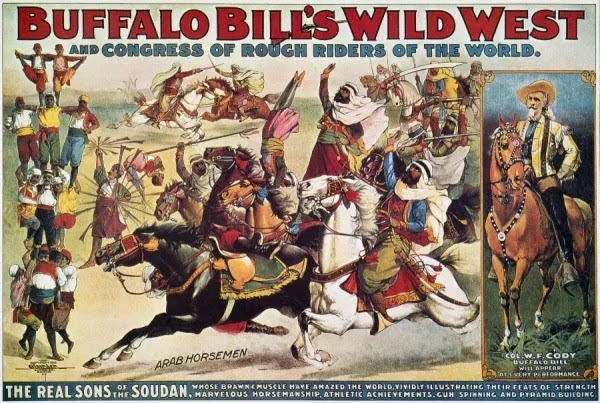
Parisian men took to wearing cowboy hats. You can still go to my favorite place—the Puce Marché or flea market—and buy postcards from that time.
What was it like for the Lakota who signed on to be show Indians, those who had boldly made that leap across what they called “the big water?”
We can only imagine that transition.
Yet we, too, are dismayed by immense change. We, too, fear new flabbergasting technologies like AI. One of the Lakota leaders, asked by Edison to record a war whoop to market his photographs, was sorely afraid when he heard it played back—much as we fear AI’s unfathomable effects.
In further irony, a U.S. delegation arrived to get the Paris Indians to sign new treaties, when every one of them had already been broken. It seemed that the Great White Father in Washington told lies! This was something no Indian could tolerate. They did not sign.
But the Wild West show was also an opportunity for Indians as their options back home narrowed. Even such spiritual leaders as Sitting Bull signed on. There was money to be made and perhaps fun to be had.
The Return & the Ghost Dance
What was it like for the “Paris Indians,” when they returned home?
Many Native communities from Canada to Mexico had joined the Ghost Dancers, dancing and praying to get an old life back, hoping to see the buffalo and their dead returned to them. They wanted to become whole again in their lives and in their souls.
The government severely punished this expression. They aimed to Christianize and modernize them.
At the foot of the Eiffel Tower, amid cell phones, I watch a professional photographer taking a picture of a family, as must have been the case 130 years ago.
What souvenirs do we take home from our travels, I wonder. How are our purposes, pleasures, and perspectives modified?
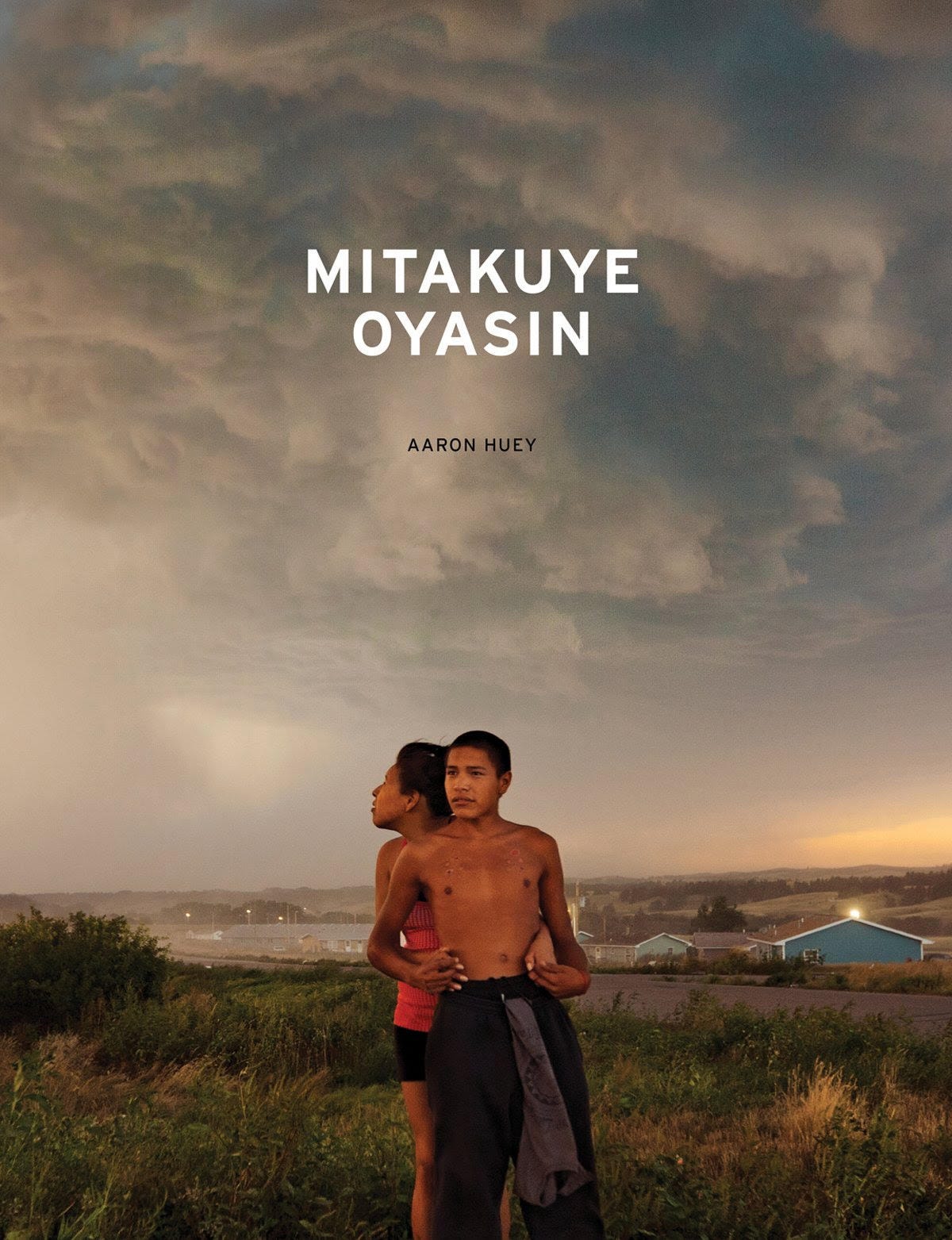
The Wounded Knee massacre marked the end of peripatetic Indian life. The last of the Lakota were forced into stillness, while waves of white settlers poured in. My own mother’s mother, from impoverished Norway, was one of them—greeted by another symbol of Eiffel’s genius: the Statue of Liberty.
When Buffalo Bill asked Standing Bear, who had already been in the London show, if he wanted to stay with the Paris show or go home, Standing Bear said, “Home.” Buffalo Bill sent him home.
I have a French friend here who has legally lived most of her life in the U.S. but wants to visit European relatives. She’s not going because she fears she might not be able to return home again to the US.
The Real Question
Can travel make us better versions of ourselves—more rooted, more awake, more human?
I want to believe it can.
But only if we learn to tell show from reality.
Only if we’re brave enough to let the ghost buffalo inhabit our minds... and lead us home.
To think—it all began with a glance up from my screen.
One minute I was scrolling through the usual static: headlines, heartbreak, and the illusion of control.
And the next? I was looking into the eyes of a stranger who asked me to leap.
Not just metaphorically.
He wondered if I liked to travel.
As always with Michele’s writing I am left with deep uestions to ponder and a few threads of encouragement.
Intriguing thought of are we tourists or travelers - one is extractive and spectacle and one is real and Regenerative! Right? @Barbara Joubert @Barbara Joubert